
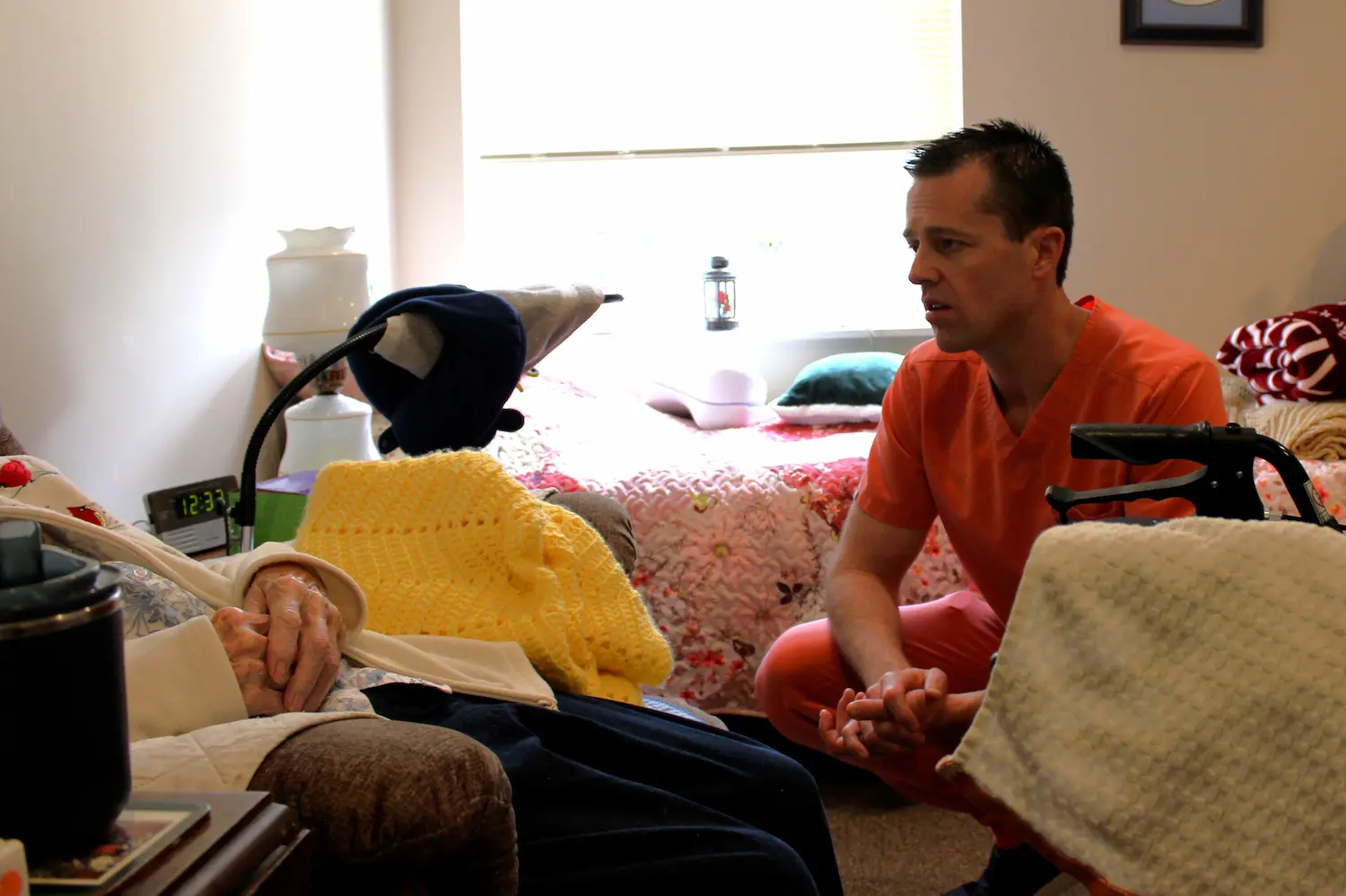
The Role of a Hospice Medical Director: Adding Expertise, Not Replacing Care
A Guest Post by Emmanuel Hospice
When imagining hospice, people may picture nurses making home visits or social workers supporting families through difficult conversations. Less visible, but an equally important part of the care team, is the hospice medical director.
At Emmanuel Hospice, that’s Dr. Jordan Sall. He’s the physician helping guide care behind the scenes. Among many duties, he helps oversee symptom management, medication plans, clinical quality and regulatory compliance.
But to Sall, the role centers on one thing: helping patients live as comfortably and meaningfully as possible while supporting the people who care about them.
“My first priority is ensuring that hospice care remains centered on quality of life, symptom management and alignment with patients’ goals,” he said.
Sall oversees an interdisciplinary team at Emmanuel Hospice that includes nurses, social workers, aides and spiritual caregivers, to name a few. He also works closely with patients’ existing physicians and specialists to coordinate care and maintain continuity — a fact that often surprises families.
A common misconception about hospice is that enrolling means giving up a trusted doctor. Sall said that does not have to be the case.
“At Emmanuel Hospice, we pride ourselves on partnering closely with a patient’s existing care team,” he said. “We spend a lot of time reviewing records and having phone calls with other providers to understand where someone’s been and where their health is going.”
Patients can remain connected with their current providers after enrolling in hospice, he added, and visits may continue when desired or appropriate.
Sall said the role of a hospice medical director primarily differs from that of a primary care physician in that the focus shifts from curing disease to maximizing comfort and quality of life.
“Comfort-focused care doesn’t mean we’re not seeking medical answers,” he clarified. “It means we’re prioritizing how a patient is feeling on a day-to-day basis and understanding the impact decisions have on a person today and in the future.”
He also noted that while primary care physicians often manage large numbers of patients, hospice teams typically have smaller, specialized caseloads. That allows the care team to respond quickly to changing needs and help families prepare for what lies ahead.
The hospice medical director serves as a resource for managing complex symptoms such as pain, shortness of breath, nausea and agitation. The care team can also help address anxiety, emotional distress and spiritual concerns while helping families with advance care planning and other practical matters.
“A big part of our role is helping educate about the disease trajectory before a crisis occurs,” he said. “We support decision-making by explaining what treatment options are available and the likely outcomes. We walk alongside families and help reframe things around the patient’s goals and values.”
Ultimately, Sall hopes families understand that hospice is not a replacement for existing care, but an added layer of support.
“We’re additional care to step in when it’s appropriate,” he said. “We want to become a trusted member of their team and build those relationships over time. The longer we can be there and help, the more we can help families prepare and not feel rushed during a difficult time.
For more information, call or visit EmmanuelHospice.org.
Get Pricing & Availability
Get pricing and availability or schedule a tour (private or virtual) to see if Clark is right for you or your loved one.
Questions?
Call (616) 278-6520 or email
marketing@clarkretirement.org
"*" indicates required fields