
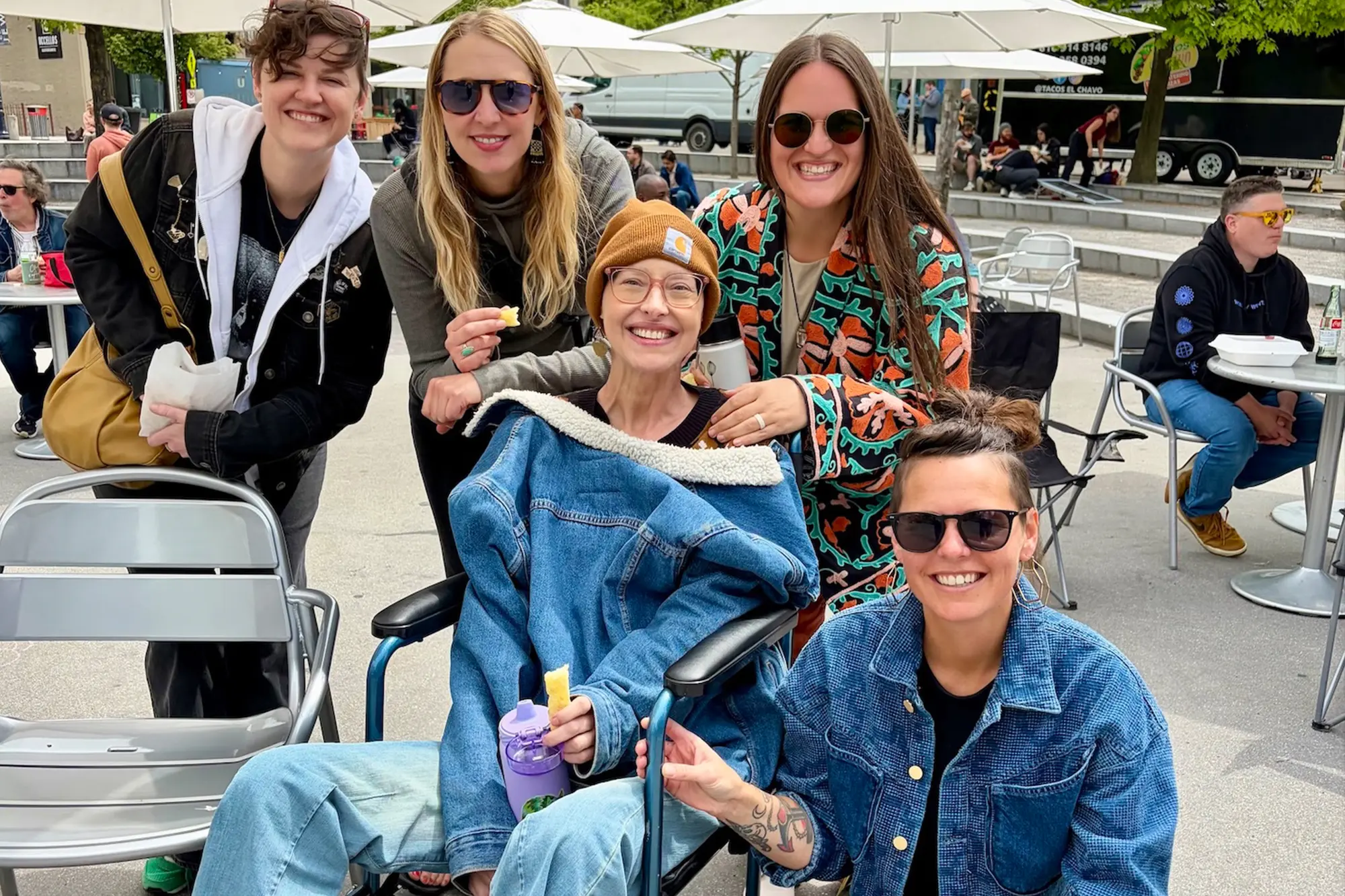
Supporting the Whole Person on an Advanced Cancer Journey
A Guest Post by Emmanuel Hospice
A favorite meal. A visit with family. A day with enough energy to get out of bed and do something that feels normal. For someone living with advanced cancer, those moments can become harder to come by.
Even as the disease changes what daily life looks like, hospice care and support organizations can help people on a cancer journey stay connected to the moments, activities and relationships that matter most to them.
“We want you to be able to wake up, know your truth and still have something to look forward to,” said Valerie Willock, a community relations specialist with Emmanuel Hospice. “We want to give you as many best days as possible.”
What that looks like varies person to person – and sometimes day to day. While people with advanced cancer may experience some similar symptoms such as fatigue, pain and weight loss, Willock says each journey is highly individual.
At Emmanuel Hospice, care is tailored around the unique medical, emotional and spiritual needs and wishes of each patient, and services can be adjusted as circumstances change. That includes medications, equipment, personal care, emotional support and more. For loved ones, the added layer of support has several benefits.
“We are there for the patient but also the rest of the family and friends who are going through this journey as well,” Willock said. “As the cancer progresses, we want there to be no surprises about what to expect, fewer tasks to manage and more time to be present.”
That broader focus is also central to Gilda’s Club, which provides social and emotional support for people with cancer and those who care about them, as well as anyone on a grief journey. The nonprofit offers support groups, educational programs and a range of social activities.
Beth Shepherd, a social worker at Gilda’s Club Grand Rapids, emphasized that cancer affects much more than the physical body.
“When a person has cancer, it can disrupt every aspect of their life,” Shepherd said. “There are so many changes that happen, changes to schedules, employment, relationships and others we can’t even imagine. It can be very isolating for the person with cancer and their caregiver. We provide a space where everyone can process those changes and challenges with others who are experiencing something similar.”
Without support, Shepherd said caregivers in particular can feel invisible as they manage appointments and medications for a person with cancer while continuing to work, care for children and support other family members. The juggling act can go unseen by others as it overwhelms the caregiver and their own needs fall to the wayside.
“Sometimes people get so focused on the person with the diagnosis that they don’t always notice that the caregiver who is supporting that person is really struggling, too,” Shepherd said. “Whether you are a person who’s been diagnosed with cancer or a loved one, I cannot put into words the value of knowing you don’t have to do this alone. There are people here to walk alongside you.”
No matter where someone is on their cancer journey, both Shepherd and Willock encourage people to ask questions about hospice early. The initial conversation can simply provide information, so families have a better understanding of their options if circumstances change and can take advantage of supportive services that support the whole person sooner.
For more information about hospice care, visit EmmanuelHospice.org. To learn more about cancer and grief support through Gilda’s Club, visit GildasClubGR.org.
Get Pricing & Availability
Get pricing and availability or schedule a tour (private or virtual) to see if Clark is right for you or your loved one.
Questions?
Call (616) 278-6520 or email
marketing@clarkretirement.org
"*" indicates required fields